Exploring Wildlife Control: Proven Strategies and Dead Animal Removal Solutions
Wildlife management includes strategies designed to manage animal populations and guarantee safe environments. Understanding the impact of common intruders is essential for homeowners. Effective prevention methods can greatly reduce the risk of wildlife intrusions. Furthermore, the prompt disposal of deceased animals is essential for maintaining health and safety. Despite this, many people lack awareness of the critical factors in successful wildlife control and the necessity of professional intervention. What measures can be implemented to protect households and neighborhoods?
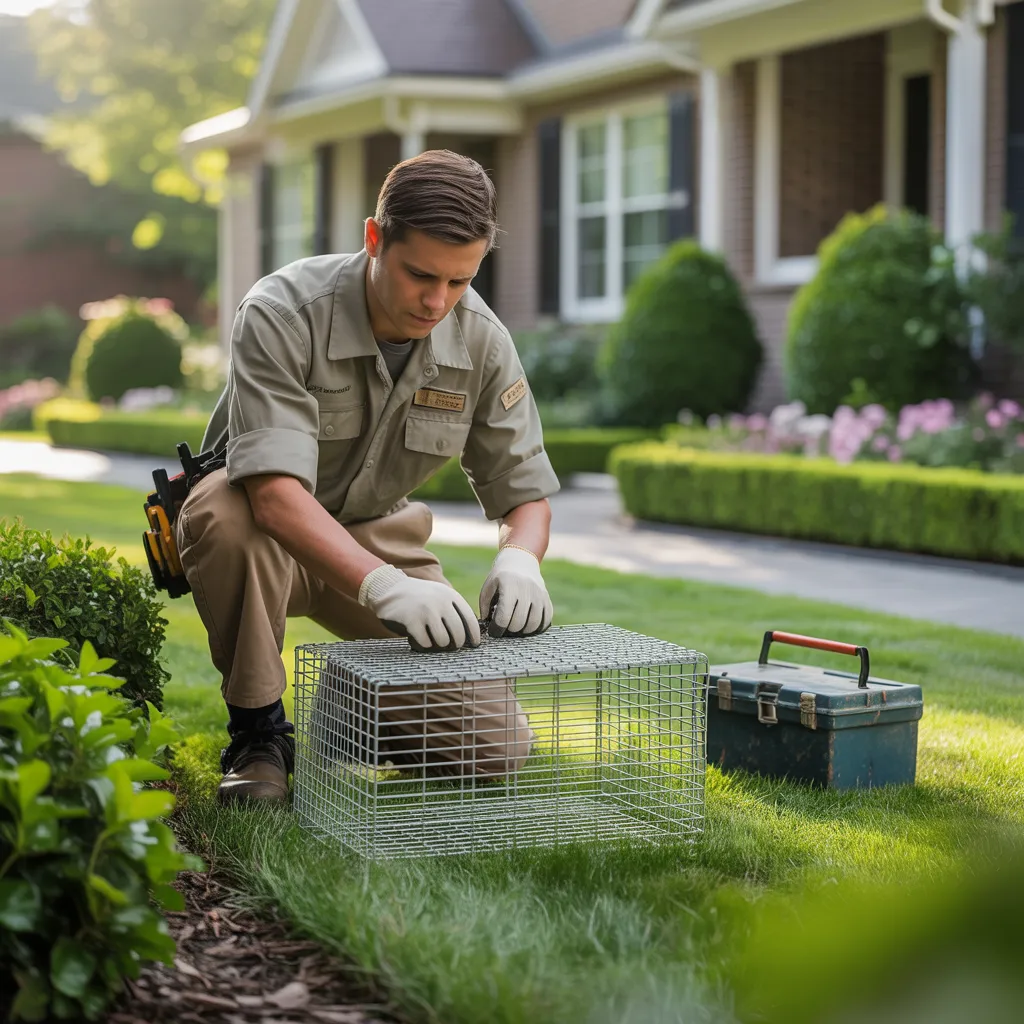
What Is Wildlife Control and Why Is It Essential?
Wildlife control includes a variety of methods focused on managing animal populations and their interactions with human environments. This discipline is critical for maintaining ecological balance and reducing tensions between wildlife and humans. Successful wildlife control aids in preserving public health by mitigating risks associated with zoonotic diseases, which have the potential to pass from animals to humans.
Furthermore, it preserves the interests of farmers by handling animals that pose a risk to crops and farm animals. By applying compassionate approaches, wildlife management encourages harmonious living, confirming that the interests of both humans and animals are given equal attention.
In addition, it serves to maintain biodiversity by managing intrusive species that can disrupt local ecosystems. All things considered, wildlife management is essential not only for strengthening safety and limiting property damage but also for encouraging a harmonious connection between humanity and the environment.
How Ordinary Wildlife Trespassers Destroy Your Home
Common wildlife intruders create major hazards for households, resulting in structural harm that can undermine a home's stability. They can also contaminate insulation, creating health hazards for occupants. Moreover, the existence of these intruders creates significant electrical safety issues, as they may chew through wires, elevating the chances of fire outbreaks.
Structural Damage Risks
The presence of wildlife intruders can lead to significant structural damage in households. Pests like raccoons, squirrels, and rodents commonly target gaps in the outer structure of buildings, establishing openings that undermine the integrity of the structure. Raccoons, for instance, are capable of ripping away roofing components and deteriorate insulation, while squirrels often chew through electrical wiring and wooden beams, elevating the danger of fire-related incidents. Furthermore, digging animals can weaken foundations by excavating burrows, amplifying the risk of foundation failure. As time passes, such entry points can enable water seepage, resulting in mold development and wood decay. Property owners must stay alert to evidence of wildlife infiltration to prevent costly repairs and guarantee the safety and longevity of their properties. Prompt intervention is essential to mitigate these risks.
Insulation Contamination Concerns
Insulation serves as an essential barrier against temperature fluctuations, but it can readily be damaged by intruding animals. Wildlife such as rodents and raccoons can destroy insulation materials, forming openings that enable deeper access into residential structures. Their nesting habits often result in soiling the insulation with droppings, urine, and other debris, leading to contamination. This not only diminishes the insulation's effectiveness but also poses health risks due to potential exposure to harmful pathogens. Additionally, decaying animal carcasses can emit unpleasant odors and attract further pests. Residents need to resolve insulation contamination without delay to sustain both energy efficiency and air quality indoors, highlighting the necessity of proper wildlife management and remediation strategies.
Electrical Risk Concerns
How do wildlife pests lead to electrical dangers in residential properties? Everyday wildlife intruders, like rodents and birds, are capable of causing serious harm to electrical systems. Rodents especially are notorious for chewing through wires, leading to exposed conductors and the risk of short circuits. This not only poses a fire risk but also increases the chances of electrical shock for homeowners. In addition, nesting materials left by birds can clog ventilation systems or collect near electrical panels, significantly raising fire hazards. Moreover, wildlife may introduce moisture through burrows or droppings, creating an environment conducive to corrosion and electrical failure. Tackling these hazards with proper wildlife control measures and routine inspections is critical to preserving a safe home environment.
How to Spot Signs of Wildlife Around You
Recognizing indicators of wildlife activity is vital to efficient mitigation methods. Frequent see guide evidence includes footprints, recognizable sounds, and strange smells that can signal the intrusion of animals. Recognizing these signs early can assist in preventing harm to your property.
Popular Wildlife Track Identification
Numerous nature lovers recognize that spotting familiar wildlife prints is fundamental to understanding local ecosystems. Prints differ among species, displaying characteristic shapes and measurements. For copyrightple, deer prints take on a heart-shaped form, whereas raccoon tracks display a hand-like pattern with long, slender digits. The tracks of canines, including coyotes, present a notably oval shape accompanied by visible claw impressions. copyrightining the distance between prints can offer valuable hints about the creature's size and pace. Furthermore, noting claw impressions can assist in distinguishing between different species; as an copyrightple, bobcat prints are characterized by an absence of visible claw marks, in contrast to those of a dog. Grasping these nuances supports wildlife observation and conservation initiatives, deepening one's appreciation of the natural world.

Sounds and Smells
Detecting wildlife existence often involves more than visual cues like footprints; sounds and odors play important roles as well. Sounds such as rustling in the bushes, scratching in walls, or after-dark vocalizations can signal animals looking for sustenance or cover. Each species produces distinct sounds, making it easier to identify the probable species responsible. Smells also offer important indicators. A damp odor may point to a hidden animal nest, while a pungent scent could indicate a deceased animal in the vicinity. Identifying these sensory signs enables homeowners to act quickly. By remaining vigilant to both sounds and smells, individuals can properly determine wildlife presence and implement proper containment actions before the situation escalates.
Animal Control: Proven Methods for Stopping Wildlife Intrusions
Avoiding unwanted animal access requires a strategic approach that integrates an understanding of animal habits with proven deterrent methods. Property owners must begin by locating possible access points, such as openings in walls, roof spaces, or crawl spaces, and secure them to prevent intrusion. Ongoing property management, including tidying up refuse and safely containing rubbish, can discourage wildlife in search of nourishment.
Furthermore, using nature-based deterrents like motion-sensing lights or sound equipment can discourage unwanted visitors. Yard design choices also have an impact; choosing native plants and sustaining a neat yard can lessen the draw for numerous species. Raising awareness among residents about local wildlife tendencies enhances awareness and proactive measures.
The Importance of Professional Wildlife Control Services
When wildlife invasions surpass the ability of homeowners to handle, professional wildlife control services become an essential resource. These expert services deliver proficiency in recognizing and managing a broad spectrum of wildlife problems, guaranteeing both safety and compliance with local regulations. Certified experts apply humane trapping approaches and exclusion practices to limit the disruption to local ecosystems while efficiently managing disputes with wildlife.
Additionally, these companies often conduct detailed assessments of homes to pinpoint potential entry points that may prompt future wildlife entry. By employing specialized tools and methods, they can resolve the root sources of wildlife problems, rather than merely addressing immediate concerns. This strategic approach not only secures homes but also encourages coexistence with local wildlife. All things considered, engaging professional wildlife control services ensures that homeowners can manage difficult wildlife issues safely and effectively, decreasing risks to property and their overall well-being.
Why Dead Animal Removal Matters
The presence of dead animals on a property can create substantial health dangers and invite problematic pests. Decomposing carcasses release harmful bacteria and pathogens, which can pollute soil and water supplies, jeopardizing human and animal health. Furthermore, the odor emanating from a decaying body can disturb the living conditions of neighboring residents and create an unpleasant environment.
Additionally, dead animals can become a feeding ground for opportunistic feeders, including rodents and insects, resulting in further infestations. This can grow into more significant issues, requiring broader pest control solutions. The timely removal of dead animals is vital to address these dangers and bring safety back to the surrounding area.
Professional dead animal removal services are equipped to handle these situations efficiently, providing adequate removal and comprehensive sanitation. By tackling the problem promptly, property owners can protect their health, preserve local ecosystems, and copyright the condition of their environment.
What to Consider When Choosing a Wildlife Control Service?
Professional wildlife control services are essential for preserving a safe and healthy environment, most notably when dealing with situations such as dead animal removal. A number of critical considerations should be kept in mind when selecting a wildlife control service. To begin, confirm that the company holds proper licensing and insurance, since this validates their credibility and safeguards against liability. A strong background in the field is indispensable; an organization with an established record of achievement is more capable of managing a wide range of wildlife problems effectively.
In addition, ask about their approaches to wildlife removal and prevention, verifying they use humane and sustainable techniques. Reviews and testimonials from customers can give you a better understanding of the team's dependability and efficiency.
Ultimately, a reputable service should deliver a thorough inspection and follow-up to deter future wildlife incursions. By considering such standards, clients can select a wildlife removal company that focuses on ethical practices, safety, and efficiency.
Frequently Asked Questions
What Are the Legal Requirements for Wildlife Control in My Region?
Legal requirements for wildlife management differ by region, often requiring permits for capturing and relocating animals. Local wildlife agencies provide guidelines, guaranteeing the humane handling of animals and compliance with conservation laws to protect both animals and ecosystems.
What Are the Safe Steps for Handling a Dead Animal on My Property?
To safely handle a dead animal, one should use protective gloves, employ a shovel for the removal process, place the body in a double bag, and discard it in compliance with local regulations, maintaining proper sanitation while minimizing health risks.
What Are the Pricing Details for Wildlife Control Services?
The pricing for wildlife control services fluctuates considerably, typically ranging from $100 to $1,500. Variables that impact pricing encompass the kind of wildlife present, severity of the infestation, and necessary removal methods or preventative measures employed.
Can Wildlife Control Prevent Future Infestations Entirely?
Professional wildlife management can greatly reduce the likelihood of subsequent pest issues through preventive measures, but it does not ensure absolute protection. Ongoing monitoring and maintenance are essential to minimize risks and address any potential issues promptly.
Which Animal Species Require Specialized Removal Approaches?
Some animals, like raccoons, bats, and snakes, necessitate specialized handling methods owing to their particular behaviors and associated health risks. Trained specialists must apply specific techniques to secure safe and ethical handling during the removal process.